9 min read
6 min read
Vault 5 Digital
11 August 2026
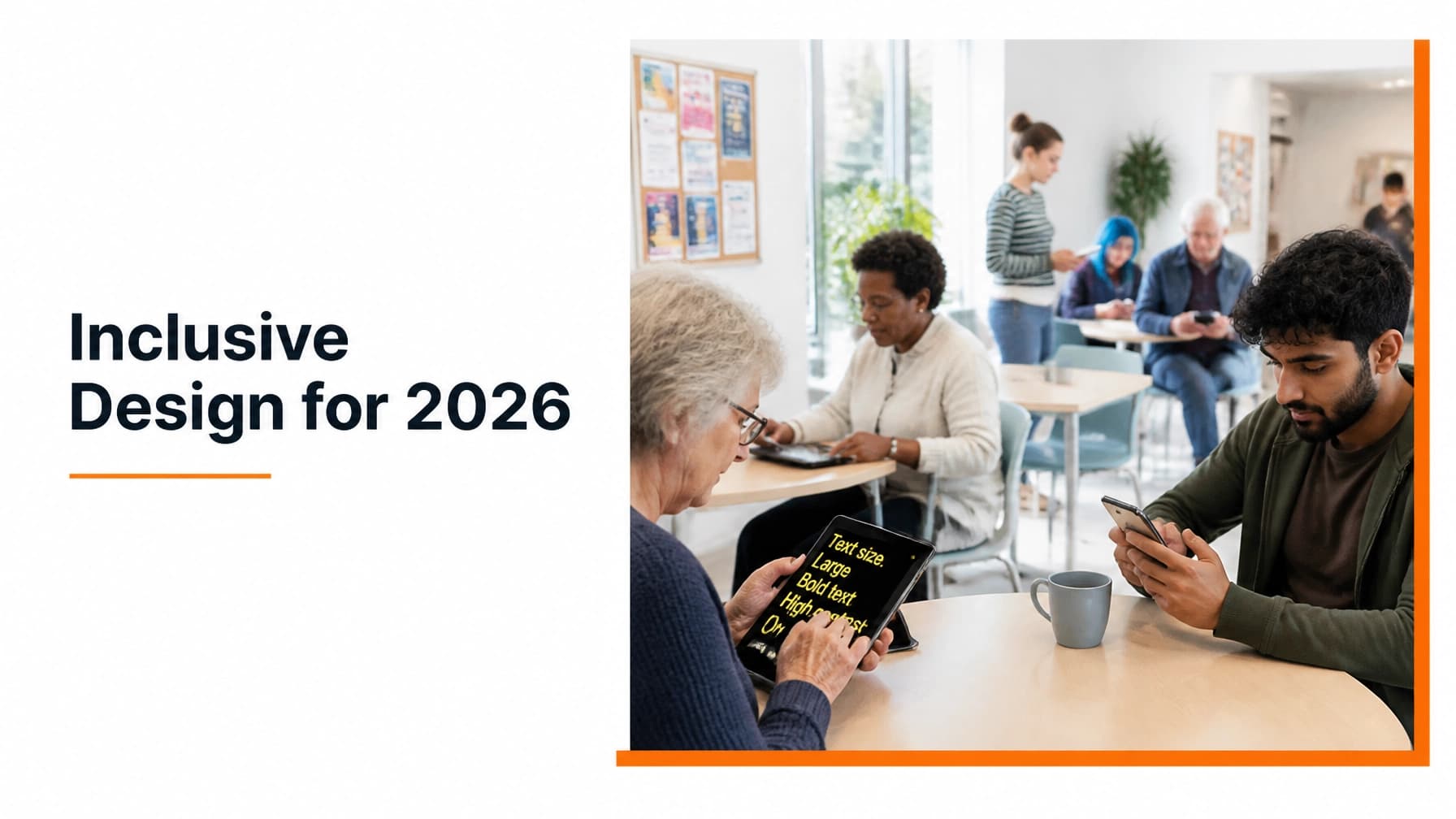
In the world of UK charities, we often talk about "reaching everyone." It’s a core part of the mission for any organization working in social care, mental health, or community support. But as we move through 2026, there is one place where many charities are still unintentionally closing their doors: their own websites.
For years, web accessibility was treated by many as a "nice-to-have" or a technical checkbox for the IT department. But with the full adoption of WCAG 2.2 (Web Content Accessibility Guidelines) as the gold standard, the landscape has changed.
Today, accessibility isn’t just a technical spec: it’s a moral imperative, a legal necessity, and, surprisingly, one of the most effective ways to boost your donations and search engine rankings.
If you’re running a UK charity, the legal question usually starts with the Equality Act 2010. This act requires all organizations providing a service to the public to make "reasonable adjustments" so that disabled people aren’t at a disadvantage.
In 2026, "reasonable adjustments" almost always means adhering to the latest digital standards. While the Act doesn't explicitly name-drop technical versions, UK courts and regulators have consistently pointed to WCAG 2.2 AA as the benchmark for compliance.
Furthermore, if your charity provides services under a public sector contract, you are likely already bound by the Public Sector Bodies (Websites and Mobile Applications) Accessibility Regulations. These regulations were updated to enforce WCAG 2.2, meaning that if your site isn't up to scratch, you’re not just missing out on supporters: you’re potentially in breach of contract.

As charity founders and trustees, your mission is likely built on equity and inclusion. Whether you're supporting those with SEND, the elderly, or people in crisis, your website is often the first point of contact for someone seeking help.
Imagine a potential beneficiary who uses a screen reader trying to find your contact details, only to be met with unlabeled buttons or unreadable images. Or a donor with a motor impairment trying to click a tiny "Donate" button that doesn’t respond to keyboard navigation.
Accessibility is an extension of your care. It’s about ensuring that the digital front door of your charity is just as welcoming as the physical one. When we ignore accessibility, we are effectively telling a portion of our community that they aren't our priority.
The shift from 2.1 to 2.2 wasn't just a minor update; it focused heavily on the modern ways we use the web, particularly on mobile devices and for users with cognitive disabilities. Here are the "big three" changes that matter for your charity site:

Here is the secret most digital agencies won't tell you: Accessible websites are better websites for everyone.
When you build a site that meets WCAG 2.2 standards, you are inadvertently doing exactly what Google wants. Search engines prioritize websites that are fast, easy to navigate, and clearly structured.
There are over 16 million disabled people in the UK, with a collective spending power (and giving potential) in the hundreds of billions. By making your site accessible, you aren't just being "nice": you are opening your charity up to a massive segment of supporters who are often ignored by less thoughtful organizations.
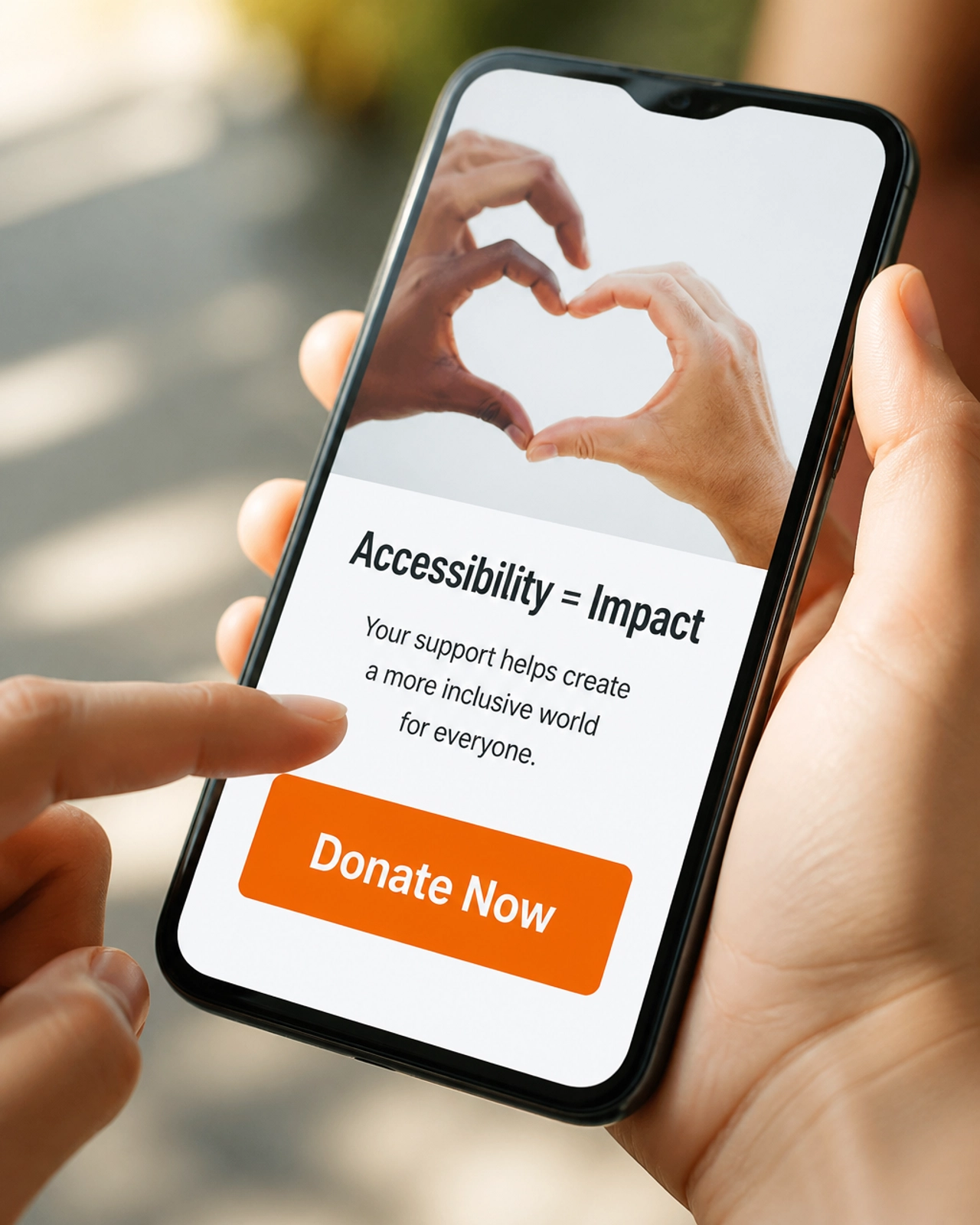
At Vault 5 Digital Marketing, we understand that charity teams are stretched thin. You don’t have time to become an expert in "WCAG 2.2 Success Criterion 2.4.11."
That’s why we’ve built accessibility into the very foundation of our service. When you partner with us for your website design and maintenance, we don't treat accessibility as a "plugin" or an afterthought. It is a core pillar of our build process.
We handle the heavy lifting:
Instead of juggling five different suppliers, you get one team that understands the charity sector, the legal requirements, and the technical intricacies of modern web design.

So, does website accessibility really matter in 2026?
The answer is a resounding yes. It matters for your legal safety, it matters for your search rankings, and most importantly, it matters for the people you serve.
If your current website feels like it’s stuck in 2016, or if you’re worried that you’re excluding potential supporters, it’s time for a change. You don't need a technical degree to fix this: you just need a partner who cares as much about your cause as you do.
Let’s make sure your digital front door is open to everyone. Visit www.vault5digital.com to see how we can help you build a website that truly represents your charity’s heart.
Need help with your charity's digital marketing?
Vault 5 Digital manages Google Ad Grants, websites, video, and content for UK charities — one team, one invoice.
Book a free strategy call and find out what is stopping your growth.
Book a Free Strategy Call