9 min read
9 min read
Vault 5 Digital
21 September 2026
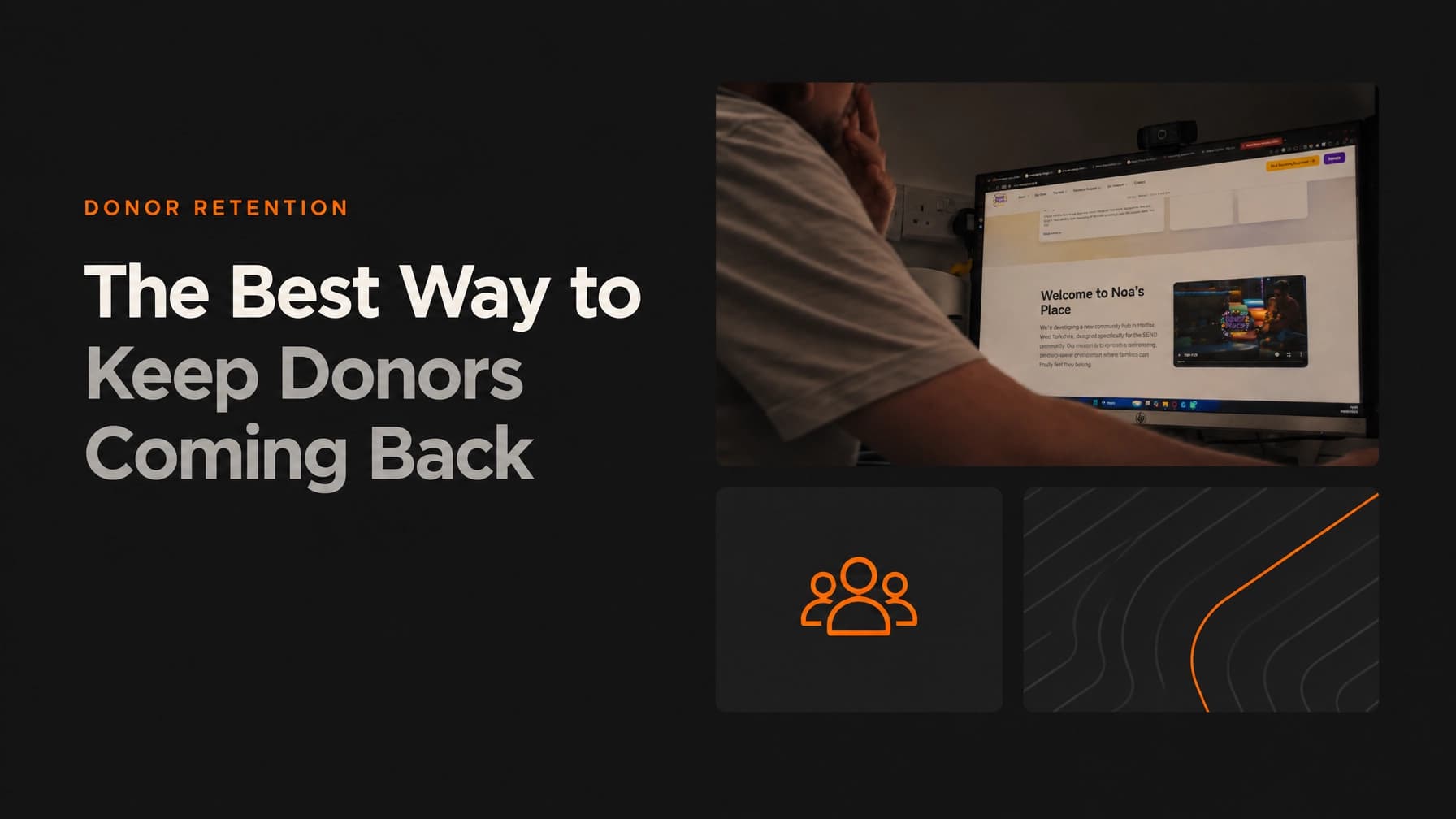
Getting a first donation is important. Keeping that donor connected to your charity is where long-term fundraising becomes more reliable.
Too many charities focus heavily on finding new supporters through social media, events and one-off appeals. Those activities matter, but they shouldn’t be the only way you stay in touch.
If someone has already donated, they’ve shown that they believe in your cause. They’ve made a commitment. The next step is to build a relationship that makes them feel informed, valued and confident about giving again.
In this article, we’ll explain how a clear donation journey and a simple email newsletter can help you keep more donors coming back.
Watch the companion video: The best way to keep donors coming back on YouTube
A common problem is simple: a charity has a donation page, but no clear way to contact donors afterwards.
Sometimes the donation page is difficult to find. Sometimes it doesn’t collect an email address. Sometimes the charity receives the donation but doesn’t have a reliable record of who gave, when they gave or how to reach them again.
That creates a missed opportunity.
Your donation page should be the clear route for every supporter, whether they’re giving a small one-off donation, making a larger contribution or setting up regular support.
At the very least, you need to capture an email address. A phone number can be useful too, where appropriate and with the right permission, but email is the essential starting point.
Your donation journey should give you the ability to:
Without that connection, you may be asking the same charity supporters to rediscover you from scratch every time you need funds.
The first practical step is to make sure your donation process is easy to understand.
Your website should lead people towards one clear donation page rather than sending them through several disconnected forms, platforms or social media links.
A strong donation page should make it clear:
The page should work properly on mobile devices too. Many people will visit your charity website from a phone, especially if they’ve clicked through from social media or an email.
Your donation page is not just a payment form. It’s the first step in your ongoing relationship with that supporter.
Learn more about charity website design and maintenance
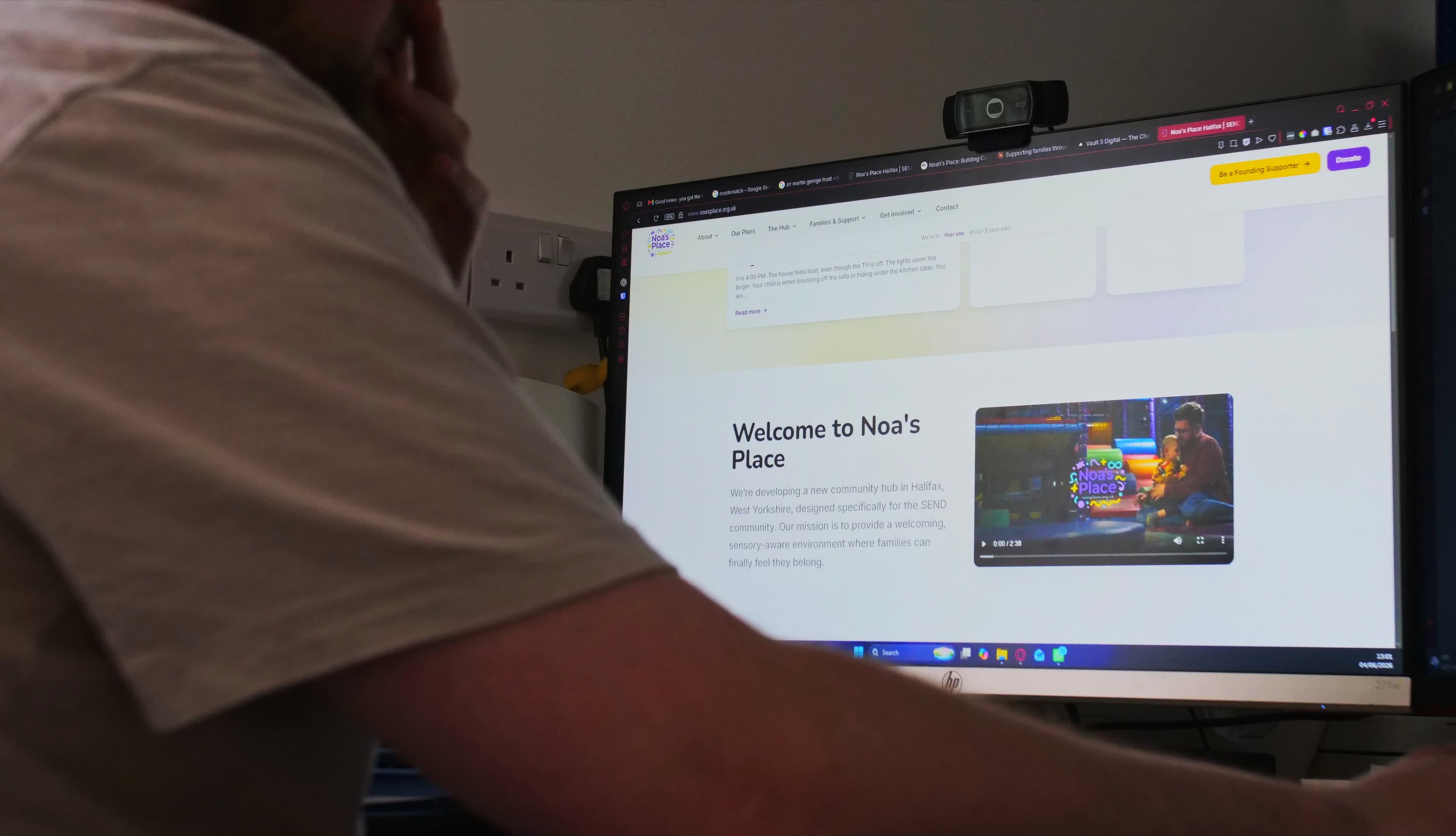
Once your donation process collects email addresses, you need to keep that information in one organised place.
If you don’t already have a donor list, export the information from your donation platform into a spreadsheet. This could be an Excel file or a CSV file.
That gives you a starting point, but a spreadsheet on its own won’t create a donor relationship. You need a reliable system for sending updates and keeping your records organised.
An email platform such as Mailchimp can help you manage this process. It allows you to:
You’ll also need access to the email domain your charity uses. This may be connected to Google Workspace, Microsoft 365 or a similar service.
Make sure you know:
The goal is straightforward: when someone donates through your website, their details should be added to the right list without your team having to copy and paste information manually every time.
Always handle supporter data responsibly. Make the purpose of your emails clear, collect the appropriate permission for marketing communications and include an easy way for people to unsubscribe.
A mailing list only works if you use it.
That doesn’t mean sending constant requests for money. In fact, donors are more likely to stay engaged when your communication is useful, positive and focused on the work they’re helping to support.
A private donor newsletter gives you a direct way to update supporters without relying on social media algorithms or hoping they attend your next event.
You might send it monthly or fortnightly, depending on how much meaningful news you have to share.
Each newsletter could include:
That call to action might be to read an update, watch a video, attend an event or donate to a specific appeal.
The important thing is to make the purpose of the email clear. Don’t fill every message with several competing requests. Give the reader one obvious next step.

Your newsletter should include opportunities to give again, but the relationship must come first.
A donor shouldn’t only hear from you when you need money. If every email is an appeal, people may feel that their previous support was treated as a transaction rather than the beginning of a connection.
A better approach is to combine:
When you do have a fundraising need, explain it clearly.
Tell people:
Some supporters may give again immediately. Others may simply read your update and remain connected until the next opportunity. Both outcomes are valuable.
The people on your list may include:
Each person matters. Small and large donations both contribute to the work your charity delivers.
Social media can help you reach new people, but it isn’t a complete donor retention strategy.
Your followers may not see every post. Platforms change how content is shown. People may stop using a particular channel. You also don’t own the relationship in the same way you do when someone has willingly joined your mailing list.
Events have a similar limitation. They can be excellent for meeting supporters, but you need a follow-up process once the event is over.
Use social media and events to bring people into your wider supporter journey. Then make sure you have a way to continue the conversation afterwards.
That might mean asking someone to:
The aim is to avoid losing contact as soon as the event ends or the social media post disappears.
Donor retention doesn’t need to start with a complicated system.
Begin with a reliable process:
Collect an email address at the point of donation and explain how you’ll use it.
Export existing donor information into a spreadsheet if necessary, then move it into a suitable email platform.
Link your donation page, website and email platform so new supporters can be added with less manual work.
Create a monthly or fortnightly newsletter with positive news, real progress and one clear next action.
Include relevant fundraising appeals without making every message feel like a request for money.
Check which emails people open, which links they use and whether supporters are staying engaged. Then adjust your approach.
This structure gives your charity a repeatable process rather than leaving donor communication until someone has spare time.

Finding a new donor takes work. You need to explain who you are, what you do and why your charity deserves support.
An existing donor has already taken that first step.
They’ve shown an interest in your work. They may already understand the need you’re addressing. They may have seen your impact first-hand or connected with your mission through someone they know.
That’s why keeping those people informed is so important.
You don’t need to guess what to say. Start with the work your charity is already doing. Share the progress that your team sees every day. Show supporters what their contributions help make possible.
A clear donation journey, a well-managed email list and regular positive communication can give your charity a much stronger foundation for repeat giving.
You don’t need more complicated marketing. You need a system that makes it easy to stay connected.
Vault 5 Digital works with charities across England and Wales on the practical parts of online marketing, including:
If you’re not sure whether your website is collecting donor information properly, or you don’t know how to connect your donation page to an email platform, we can review the situation with you.
Book a free consultation through our contact form. It’s a short, no-obligation conversation, and you can tell us that you came from this article or the companion video.
Vault 5 Digital | The Charity Marketing Partners
Halifax, West Yorkshire, United Kingdom.
Need help with your charity's digital marketing?
Vault 5 Digital manages Google Ad Grants, websites, video, and content for UK charities — one team, one invoice.
Book a free strategy call and find out what is stopping your growth.
Book a Free Strategy Call